Oven or Fried Nashville Hot Chicken Sandwich
A bold, spicy classic that brings the heat of Tennessee to your kitchen. Choose between a golden fry or a simple bake for the perfect crunch. It is the ultimate treat for a lazy Sunday afternoon.
- Elena Brooks
- Comfort Food Classics
- September 4, 2026
- 4 min read
- Updated November 20, 2026
- Total time
- 1 h 10 min
- Servings
- 4 Servings
- Difficulty:
- Medium
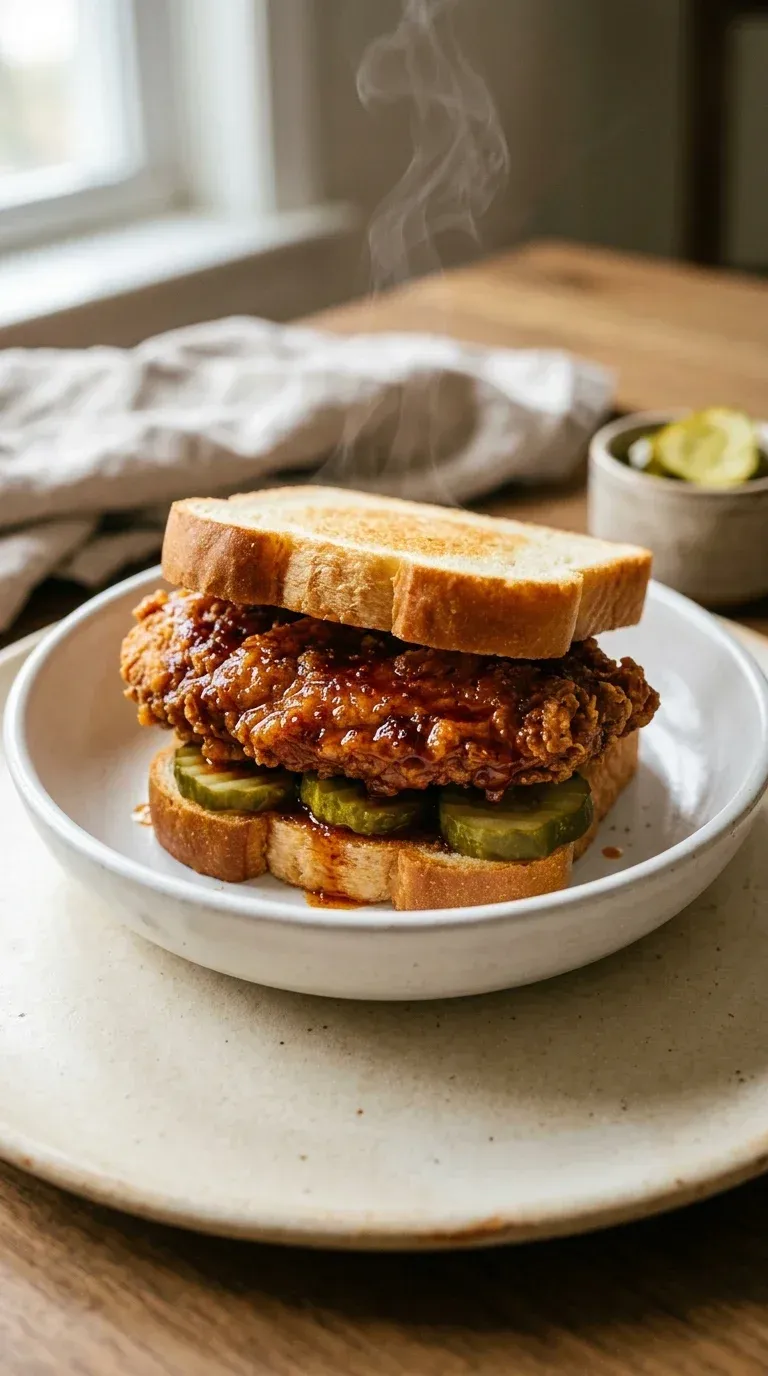
Table of contents
I remember when the first time I tried something this spicy, I honestly thought my tongue might actually stay red for a week. But there is something about that combination of buttermilk and cayenne that just feels like a hug, if a hug happened to be a little bit fiery. So, yeah, it took me a while to get the heat just right, but once you find that balance, you just can't go back.
There is a certain peace in the process, isn't there? The way the 4 bone‑in chicken breasts soak in the buttermilk, cold water, and garlic, just resting quietly in the fridge. And then, wow, the smell of that melted unsalted butter swirling with brown sugar and paprika... it fills the whole house with this rich, heavy warmth that makes everyone wander into the kitchen wondering what's happening.
Look, whether you have the patience for the skillet or you're leaning toward the oven today, it's all about that moment when you brush on the glaze and see it glisten. It's a bit messy, oops, but that's the best part of a nashville hot chicken sandwich. It's not meant to be polite; it's meant to be enjoyed.
The story behind it
The nashville hot chicken sandwich is more than just a meal; it is a piece of cultural history born from the vibrant streets of Tennessee. It began as a way to blend the heat of cayenne pepper with the richness of fried chicken, creating a dish that was as bold as the city itself. For decades, small local shacks perfected the art of the spice-to-fat ratio, ensuring the heat lingered without overpowering the flavor of the meat.
Central to this tradition is the specific balance of flavors. The use of a buttermilk brine is a classic Southern technique used to tenderize the bird, while the finishing touch—a spicy butter glaze—is what separates this style from any other hot chicken. The addition of dill pickle slices serves a vital purpose, providing a sharp, vinegary contrast that cuts through the richness of the oil and butter.
Over time, what started as a regional specialty has captured the imagination of food lovers everywhere. It represents a spirit of resilience and creativity, turning simple pantry staples into a culinary event. Today, it remains a symbol of Southern hospitality, designed to be shared around a table with plenty of napkins and a cold drink nearby.
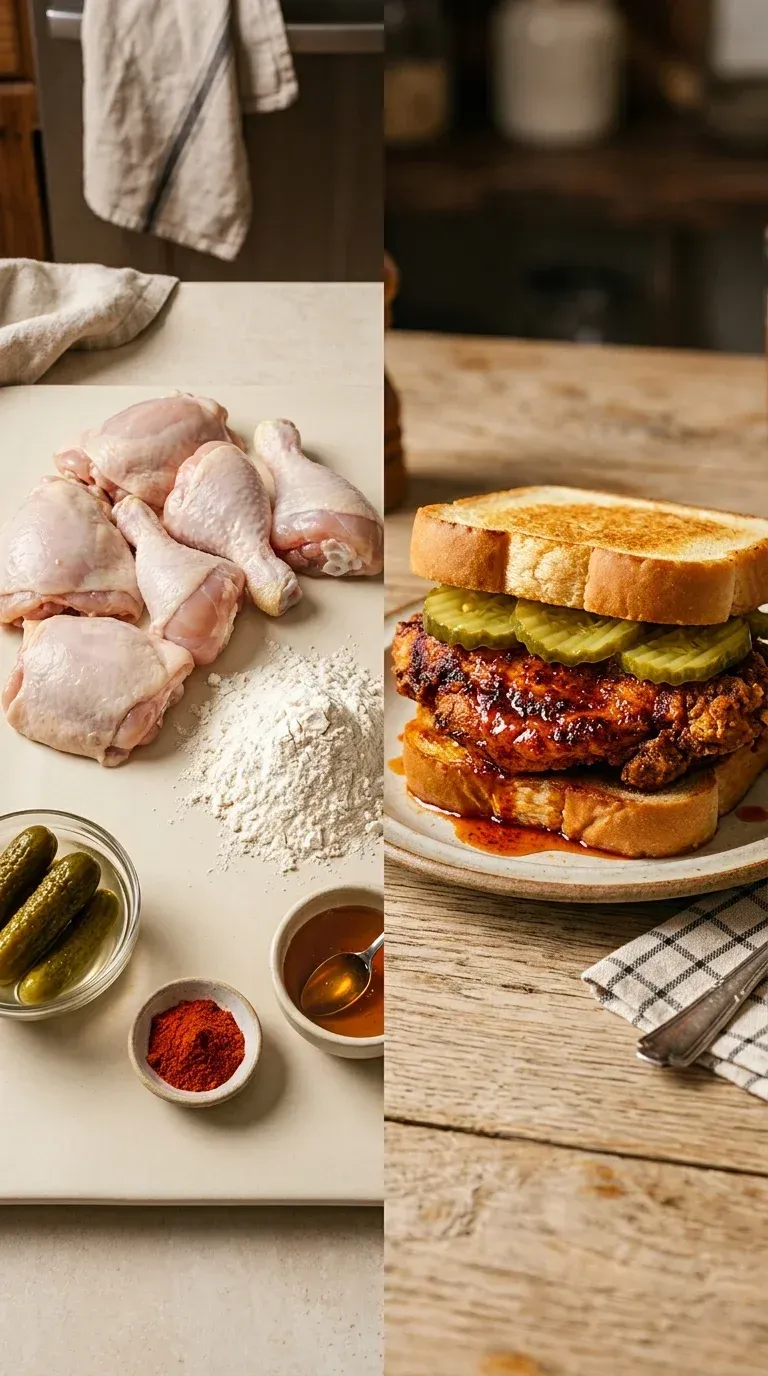
Why You'll Love It
- Honestly, that first bite of the spicy cayenne butter glaze hitting the soft white sandwich buns is just pure magic. It's like a warm hug for your taste buds.
- I mean, the buttermilk brine makes the 4 bone-in chicken breasts so tender; it reminds me of the Sunday dinners I used to make when the kids were little.
- Well, look, you get to choose between frying or the oven, so you can keep it a bit lighter or go for that deep, golden crunch we all crave.
- Yeah, the contrast of the tangy dill pickle slices against the heat is just... wow, it's exactly what a comfort meal should feel like.
Tips for success
- Heat Control, Keep the butter glaze on low heat so it doesn't separate or burn.
- Moisture Control, Pat the chicken completely dry after brining to ensure a crispy crust.
- Safety First, Use a thermometer to verify 165°F internally so you don't overcook the meat.
Professional secrets
- The buttermilk brine breaks down proteins for a softer, juicier interior.
- Dredging in seasoned flour creates a surface area that holds the butter glaze perfectly.
- Double-coating with panko can elevate the crunch to a restaurant level.
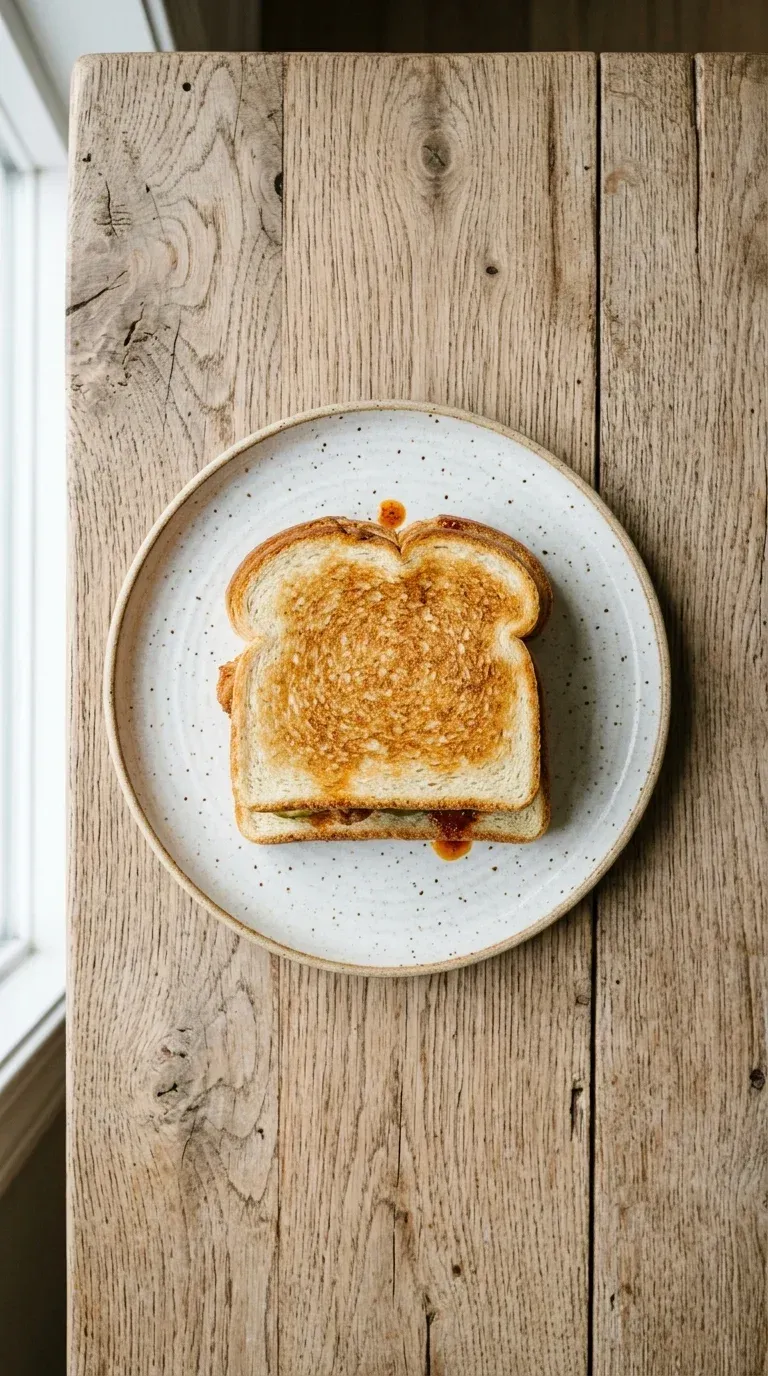
Common mistakes to avoid
- Not drying the chicken enough after brining, which leads to soggy breading.
- Overheating the butter glaze, causing it to burn or separate.
- Crowding the skillet during frying, which drops the oil temperature and makes the chicken greasy.
Substitutions
- all-purpose flour: almond flour. Use for a gluten-free version, though the texture will be slightly different.
- olive oil: peanut oil. Peanut oil has a higher smoke point, which is great for frying.
- white sandwich buns: brioche buns. Adds a richer, buttery flavor to the overall sandwich.
Variations
- Honey Mustard Nashville Hot Chicken Sandwich: For those who want something a bit sweeter, replace the cayenne butter glaze with a tangier honey mustard sauce.
- Oven-Baked Nashville Hot Chicken Sandwich with Smoky BBQ: Bake the chicken as described, but brush it with a rich, smoky barbecue sauce before serving on those toasted buns.
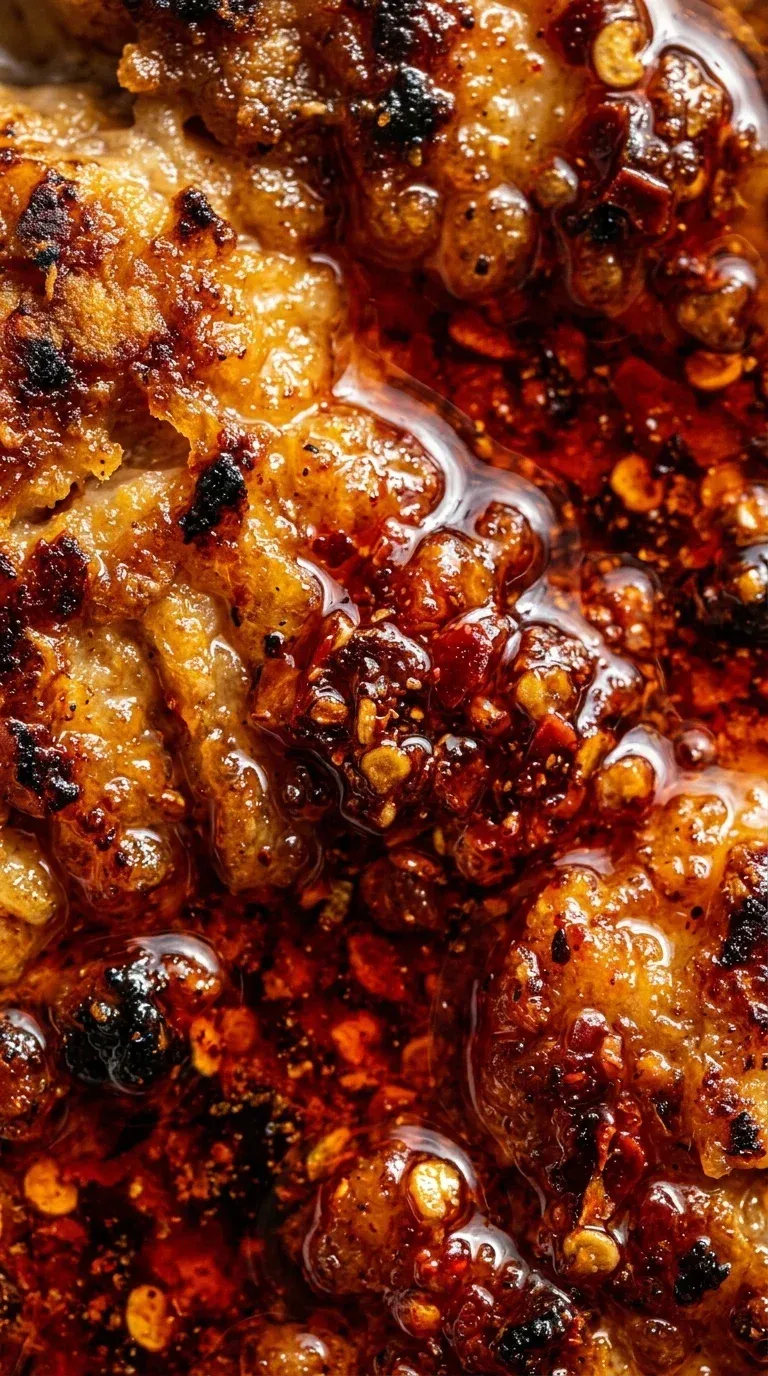
Storage
Store leftovers in the fridge, but be sure not to leave them at room temperature for more than 2 hours.
Make ahead
You can brine the chicken up to 24 hours in advance, though 30 minutes is the minimum. Cooked chicken can be frozen, wrapped tightly in plastic and foil, for up to 3 months.
Leftovers
Store cooked chicken in the fridge. To reheat, I suggest the oven or air fryer to bring back that crunch; otherwise, it gets a bit sad in the microwave.
Serving ideas
- Serve with a side of creamy coleslaw for a classic Southern pairing.
- Add a scoop of baked sweet potato fries for a sweet and spicy contrast.
- Pair with corn on the cob buttered and sprinkled with pepper.
- Present on a wooden board with extra pickle slices on the side.
Allergy information
Contains wheat (gluten) and dairy. Can be adapted to gluten-free using almond flour and GF buns.
Oven or Fried Nashville Hot Chicken Sandwich
A bold, spicy classic that brings the heat of Tennessee to your kitchen. Choose between a golden fry or a simple bake for the perfect crunch. It is the ultimate treat for a lazy Sunday afternoon.
- Prep time
- 30 min
- Cook time
- 40 min
- Total time
- 1 h 10 min
- Difficulty
- Medium
- Cuisine
- American
Ingredients
Brining Liquid
The Chicken and Dredge
Cayenne Butter Glaze
Assembly and Frying
Instructions
- 1
In a large bowl, we'll start by whisking together the buttermilk, cold water, salt, sugar, black pepper, and minced garlic. It's a simple brine, but honestly, it's the secret to that tender chicken.
- 2
Gently tuck your 4 bone-in chicken breasts (about 1 lb each) into the brine. Make sure they're fully submerged, then cover and let them nap in the refrigerator for at least 30 minutes. Well, they need that time to really soak up the flavor.
- 3
While the chicken is chilling, grab a shallow dish and whisk together your flour, paprika, garlic powder, onion powder, cayenne pepper, thyme, oregano, salt, and black pepper. This is where all that lovely seasoning lives.
- 4
Melt the 1/2 cup unsalted butter in a small saucepan. Stir in the cayenne pepper, paprika, garlic powder, brown sugar, and a pinch salt. Keep this glaze warm on low heat—it's the heart of the dish.
- 5
Take the chicken out of the brine and pat them thoroughly dry with paper towels. I mean, don't skip this part or the flour won't stick! Dredge each piece in the seasoned flour, shaking off any excess.
- 6
Now, you've got a choice. For frying, heat 1/4 cup olive oil in a skillet over medium-high heat until it hits 350°F. Fry in batches for 8-10 minutes per side until golden brown and 165°F inside. Or, if you're feeling healthier, preheat the oven to 400°F and bake on a wire rack for 25-30 minutes, flipping halfway, until they reach 165°F.
- 7
While the chicken is still piping hot, brush a generous amount of that cayenne butter glaze over each piece. Let the extra just drip back into the bowl—it looks so beautiful.
- 8
Lightly toast your 4 white sandwich buns in a skillet or the oven. Just until they're golden and warm.
- 9
Time to put it all together. Place a glazed chicken breast on a bun, add those tangy dill pickle slices, and a bit of lettuce or coleslaw if you like. I usually add one last drizzle of glaze on top just because.
- 10
Serve them up immediately. I love these with some corn on the cob or sweet potato fries on the side.
Nutrition per serving
- 1200 kcal
- Calories
- 70 g
- Protein
- 50 g
- Carbs
- 80 g
- Fat
Tips & notes
- The brine is essential for tenderness; don't rush the 30-minute wait. - Always use a meat thermometer to ensure chicken reaches 165°F without drying out. - Patting the chicken dry before dredging prevents the breading from peeling off.
Frequently asked questions
Can I use boneless chicken breasts instead?
You sure can, though they cook much faster. Just be careful not to overdo it, or they might get a bit dry.
What if I don't have a meat thermometer?
Oops, it's a bit risky, but just make sure the juices run clear and the meat is firm. A thermometer is safer, though!
Is the glaze too spicy for kids?
It might be! I'd suggest brushing the glaze on only half the chicken or using a milder pepper for the little ones.