Moist Traditional Fruitcake Recipe
Rich, moist fruitcake brimming with candied fruits and spices, ideal for holidays and cozy gatherings.
- Lucas Moreno
- Sweet Bakes & Desserts
- March 8, 2026
- 2 min read
- Updated November 20, 2026
- Total time
- 2 h 30 min
- Servings
- 12 Servings
- Difficulty:
- Easy
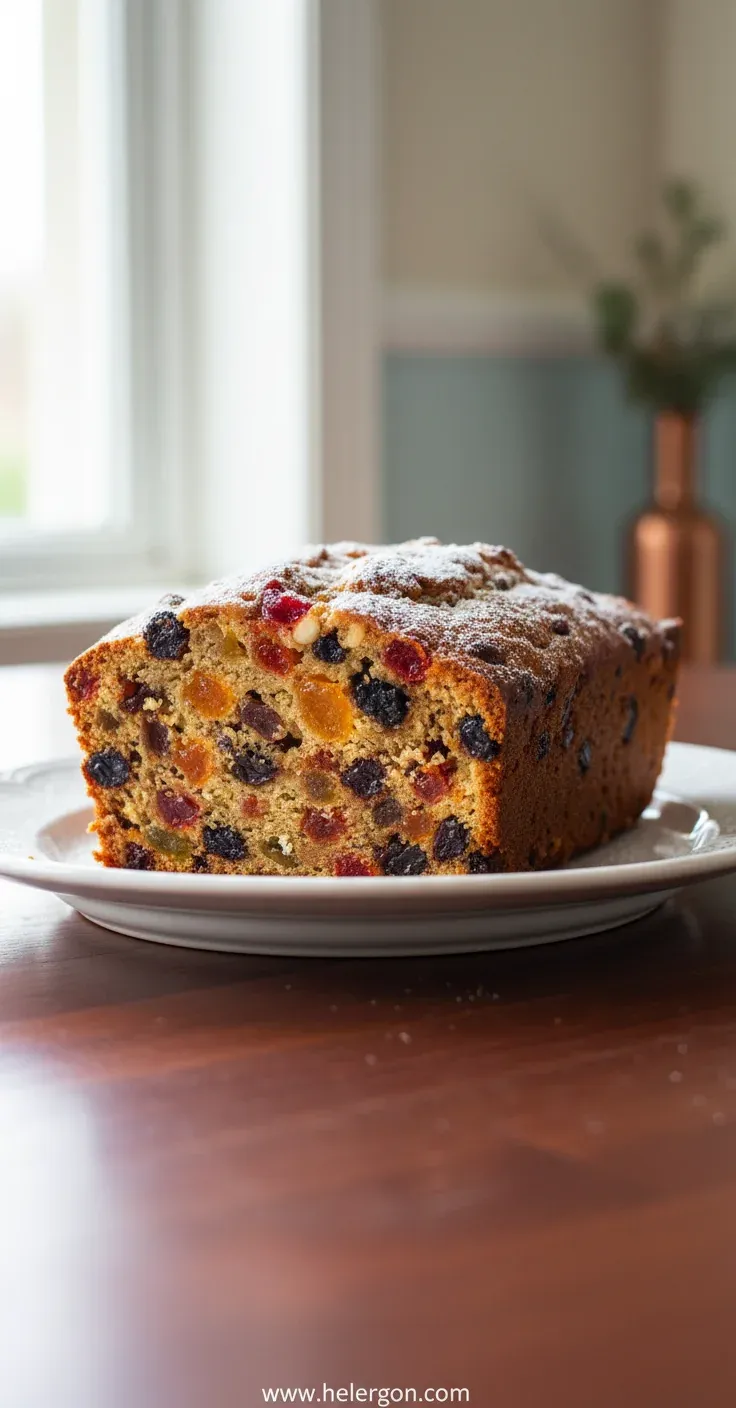
Table of contents
Honestly, when I first tried baking this fruitcake, I was worried it would be dry. But the simple steps and patient soaking of the fruit make all the difference, and soon the kitchen was filled with a warm, spiced perfume.
The essence of the dish
A gentle balance of sweet candied fruit, warm spices, and toasted nuts, all bound by a buttery, moist crumb.
A fun fact or historical angle
During the Victorian era, fruitcakes were often sent as diplomatic gifts, signifying goodwill and shared prosperity.
Flavor or sensory focus
You’ll notice the first bite of citrus‑bright fruit, followed by the comforting spice and a lingering nutty finish.
You Must Know
- Always soak the fruit to avoid dryness
- Do not over‑mix the batter
- Cool the cake completely before glazing
When you let the cake sit, the flavors have time to marry, creating a harmony that’s both nostalgic and fresh. It’s a simple reminder that patience in the kitchen often yields the most rewarding results.
The story behind it
The humble fruitcake traces its roots back to medieval Europe, where preserved fruits were a way to enjoy summer flavors year-round. Over centuries it transformed into a holiday staple, traveling across oceans and becoming a symbol of celebration. Its longevity made it a cherished gift, and the tradition of adding brandy or rum helped preserve it through winter months.
Why You'll Love It
- Moist crumb that stays soft for days
- Deep, comforting spice profile
- Loads of fruit and nut goodness
- Simple steps, no fancy equipment
Tips for success
- Do not over‑mix flour; it can make the cake dense.
- Allow the cake to rest; flavors deepen overnight.
- Wrap tightly to maintain moisture.
Professional secrets
- Use orange juice instead of water for soaking; adds natural acidity.
- Toast nuts separately; enhances crunch and flavor.
- Low oven temperature ensures even baking without drying out.
Common mistakes to avoid
- Skipping the soaking step leads to a dry crumb.
- Over‑mixing the batter creates a tough texture.
- Opening the oven too often lowers temperature.
Substitutions
- Butter: Margarine or coconut oil. May alter flavor slightly; keep the same amount.
- Brown sugar: Maple syrup. Use ¾ cup maple syrup for comparable sweetness.
Variations
- Spicy Version: Add a pinch of cayenne and a drizzle of secret ingredient fruit salad for a subtle heat.
- Mediterranean Style: Incorporate chopped figs, pistachios, and a splash of orange blossom water.
Storage
Wrap the cooled cake in parchment and foil; keep at room temperature for up to two weeks or freeze for longer storage.
Make ahead
Soak the fruit and bake the cake up to a day ahead; wrap tightly and let flavors meld.
Leftovers
Reheat a slice gently in a skillet with a pat of butter for a warm, fresh‑like bite.
Serving ideas
- Slice and serve with a dollop of whipped cream.
- Pair with a slice of fresh fruit pie for a festive spread.
- Garnish with a sprig of rosemary for visual appeal.
- Offer alongside a cup of hot cocoa on cold evenings.
Allergy information
Contains nuts, gluten, and dairy.
Moist Traditional Fruitcake Recipe
Rich, moist fruitcake brimming with candied fruits and spices, ideal for holidays and cozy gatherings.
- Prep time
- 30 min
- Cook time
- 2 h
- Total time
- 2 h 30 min
- Difficulty
- Easy
- Cuisine
- European
Ingredients
Main Ingredients
For the Glaze
Instructions
- 1
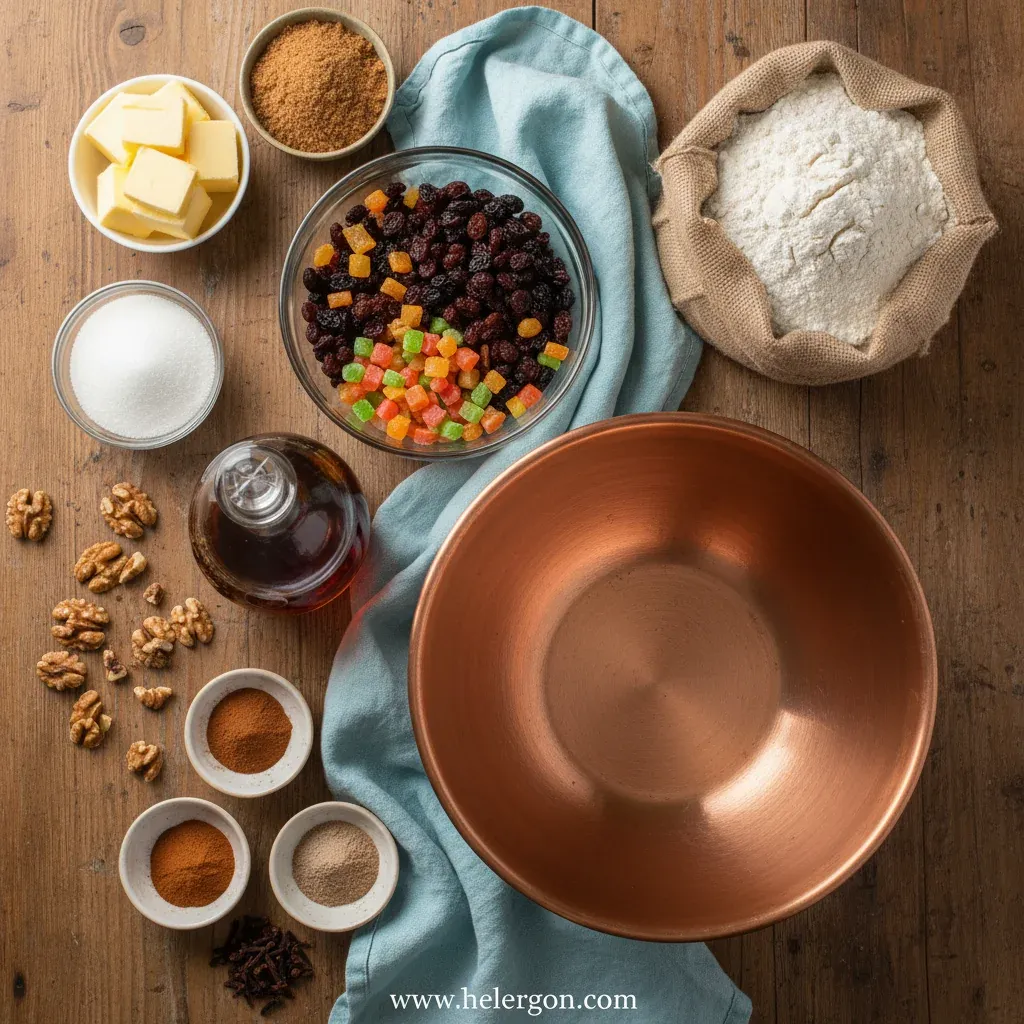
Place the dried fruit and candied peel in a bowl, cover with orange juice, and let soak overnight; this keeps the cake moist.
- 2
Preheat oven to 300°F (150°C) and line a 9‑inch loaf pan with parchment; gently toast the nuts on a dry skillet until fragrant.
- 3
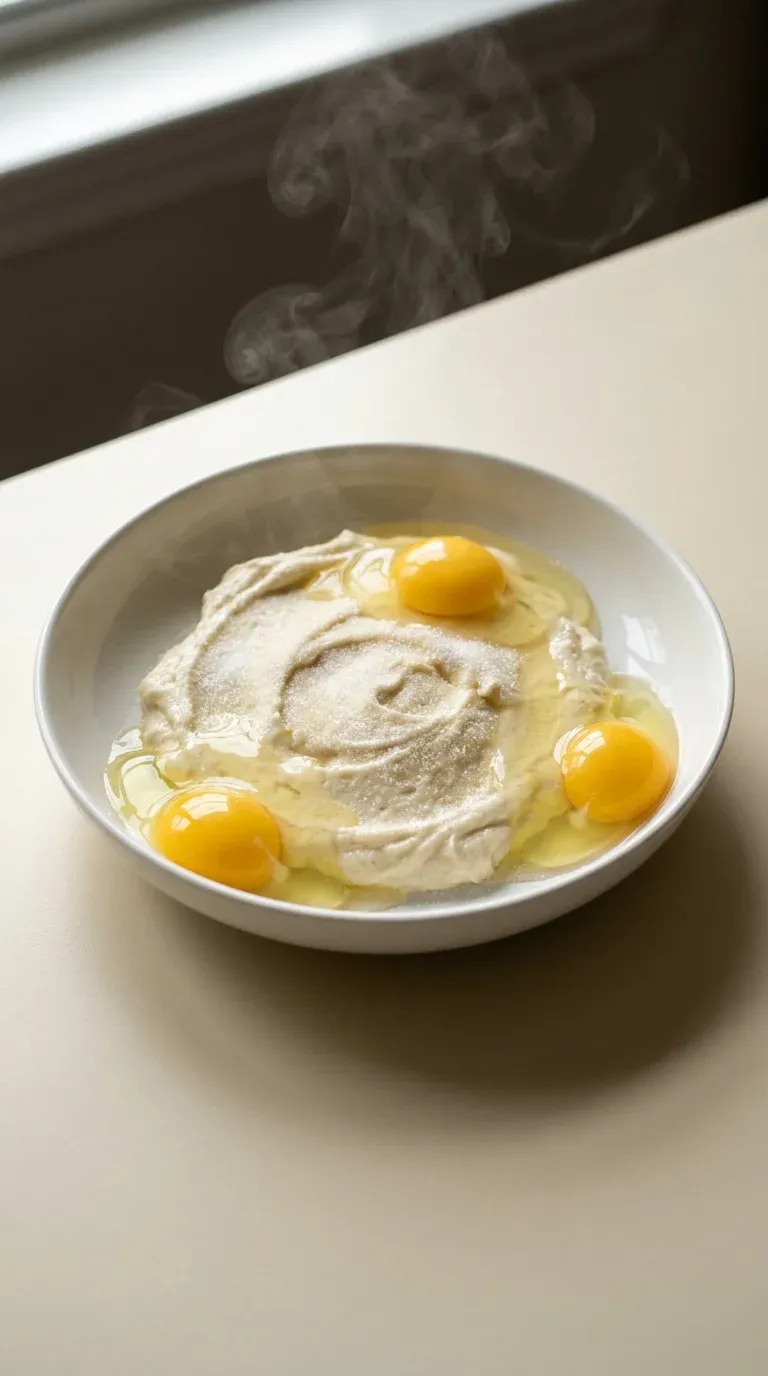
In a large bowl, cream butter and brown sugar until light and fluffy, then add eggs one at a time, mixing gently.
- 4
Sift flour, baking powder, salt, and spices together; fold into the butter mixture, followed by the soaked fruit, nuts, and apple cider vinegar.
- 5
Transfer batter to the prepared pan, bake for about 2 hours, checking for doneness with a toothpick; let cool completely before glazing.
- 6
Combine marmalade and warm water, brush over the cooled cake for a shiny finish; store wrapped tightly.
Nutrition per serving
- 420 kcal
- Calories
- 5 g
- Protein
- 58 g
- Carbs
- 18 g
- Fat
Tips & notes
- If the top browns too quickly, tent with foil during the last 30 minutes. - For extra citrus note, zest a bit of orange into the batter. - A slice of fresh fruit salad pairs beautifully on the side.
Frequently asked questions
Can I use fresh fruit instead of dried?
Fresh fruit will add moisture but can make the cake soggy; it’s best to combine a small amount with dried fruit for balance.
How long can I store the cake?
Wrapped tightly, the cake stays fresh for up to two weeks at room temperature or longer in the refrigerator.
Do I need to add alcohol?
Alcohol is optional; the cake stays moist with orange juice and butter alone.
What can I substitute for walnuts?
Pecans or toasted hazelnuts work beautifully as alternatives.
Can I make this gluten‑free?
Swap the all‑purpose flour for a 1:1 gluten‑free blend; the texture remains tender.
Is there a vegan version?
Yes, use plant‑based butter and a flax egg; the cake stays just as moist.