Mongolian Ground Beef Noodles – Easy Weeknight Dinner
A quick, comforting bowl of noodles with seasoned ground beef and a sweet‑savory glaze, ideal for weeknight meals.
- Maya Calder
- Easy Weeknight Dinners
- March 19, 2026
- 3 min read
- Updated November 20, 2026
- Total time
- 35 min
- Servings
- 4 Servings
- Difficulty:
- Easy
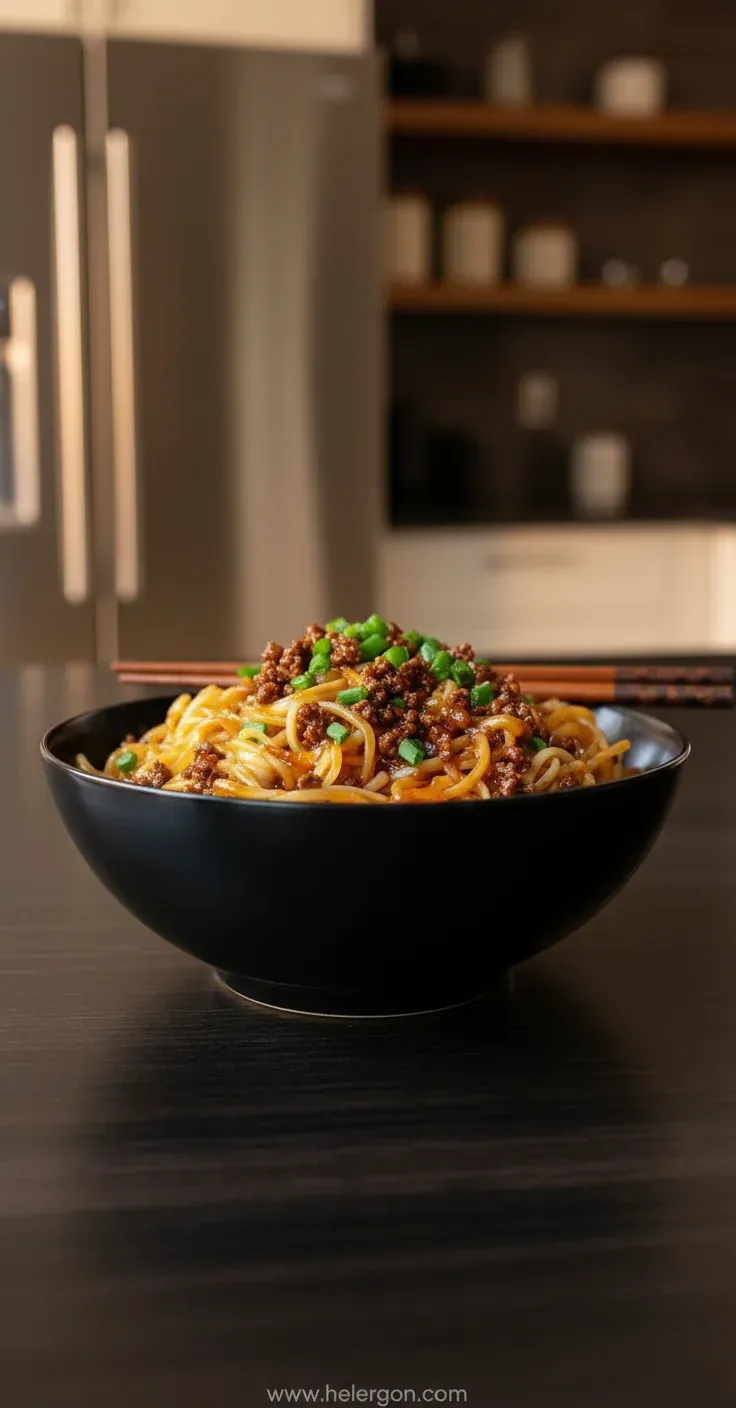
Table of contents
Honestly, when the clock is ticking and the kids are asking for dinner, I reach for this Mongolian Ground Beef Noodles. The scent of garlic and ginger fills the kitchen, and before you know it, the noodles are glistening with that sweet soy glaze. It’s simple, it’s satisfying, and yeah, it becomes a family go‑to.
The essence of the dish
What makes these noodles special is the balance of sweet, salty, and umami, all wrapped around tender strands that soak up the glaze. The beef stays juicy, and a hint of ginger lifts the whole bowl.
A fun fact or historical angle
Mongolian‑style sauces were originally created to preserve meat on long journeys, using soy and sugar as natural preservatives.
Flavor or sensory focus
You’ll notice the gentle heat of ginger, the caramelized bite of browned beef, and the glossy sheen of the sauce that clings to every noodle.
You Must Know
- Don’t overcook the noodles; they should stay al dente
- Sear beef quickly over high heat for best texture
- Adjust glaze thickness with reserved noodle water
When the sauce bubbles and the aroma fills the kitchen, pause for a moment. I often find myself leaning against the counter, watching the steam rise, feeling a sense of calm. It’s the kind of dinner that doesn’t demand perfection, just honest love. Pair it with a light side salad, or keep it simple—let the noodles shine. Quick simple recipes often share this spirit of ease.
The story behind it
The origins of Mongolian‑style sauces trace back to the railways of the early 1900s, where Chinese laborers introduced a sweet‑savory glaze that soon traveled across borders. Over time, American home cooks adopted the flavor, pairing it with quick‑cook noodles for a fast yet flavorful dinner. This dish reflects that blend of cultures, delivering bold taste without fuss.
Why You'll Love It
- Ready in under 30 minutes, perfect for busy evenings
- Sweet‑savory glaze that coats every noodle
- Ground beef stays juicy thanks to the quick sear
- Minimal cleanup, just one pan needed
Tips for success
- Don't overcrowd the pan; cook beef in batches if needed.
- Let the glaze simmer just a moment to thicken.
- Taste and adjust salt before adding noodles.
Professional secrets
- Room temperature beef cooks evenly and browns better.
- High heat sears the meat, locking in juices.
- Reserving pasta water helps bind sauce to noodles.
Common mistakes to avoid
- Overcrowding the pan, which steams rather than sears the beef.
- Adding noodles too early, making them soggy.
- Using too much sugar, causing the glaze to burn.
Substitutions
- Ground beef: Turkey ground or firm tofu. Adjust cooking time for tofu – press well before cooking.
- Soy sauce: Coconut aminos. Milder salt, so you may want a little more brown sugar.
Variations
- Spicy Version: Add red pepper flakes and a splash of sriracha for a gentle kick.
- Vegetarian Style: Swap ground beef for crumbled firm tofu and use mushroom soy sauce.
Storage
Store leftovers in an airtight container in the refrigerator for up to 2 days. Reheat gently in a skillet with a splash of water.
Make ahead
You can prepare the soy‑ginger glaze up to three days ahead; store in a sealed jar and bring to room temperature before using.
Leftovers
Reheat in a skillet over medium heat, adding a splash of water to revive the glaze.
Serving ideas
- Serve directly from the skillet for a rustic feel.
- Pair with a simple cucumber salad dressed in rice vinegar.
- Garnish with extra sliced green onions and toasted sesame seeds.
Allergy information
Contains soy, wheat, and sesame.
Mongolian Ground Beef Noodles – Easy Weeknight Dinner
A quick, comforting bowl of noodles with seasoned ground beef and a sweet‑savory glaze, ideal for weeknight meals.
- Prep time
- 15 min
- Cook time
- 20 min
- Total time
- 35 min
- Difficulty
- Easy
- Cuisine
- Asian‑American
Ingredients
Main Ingredients
Optional Add‑Ons
Instructions
- 1
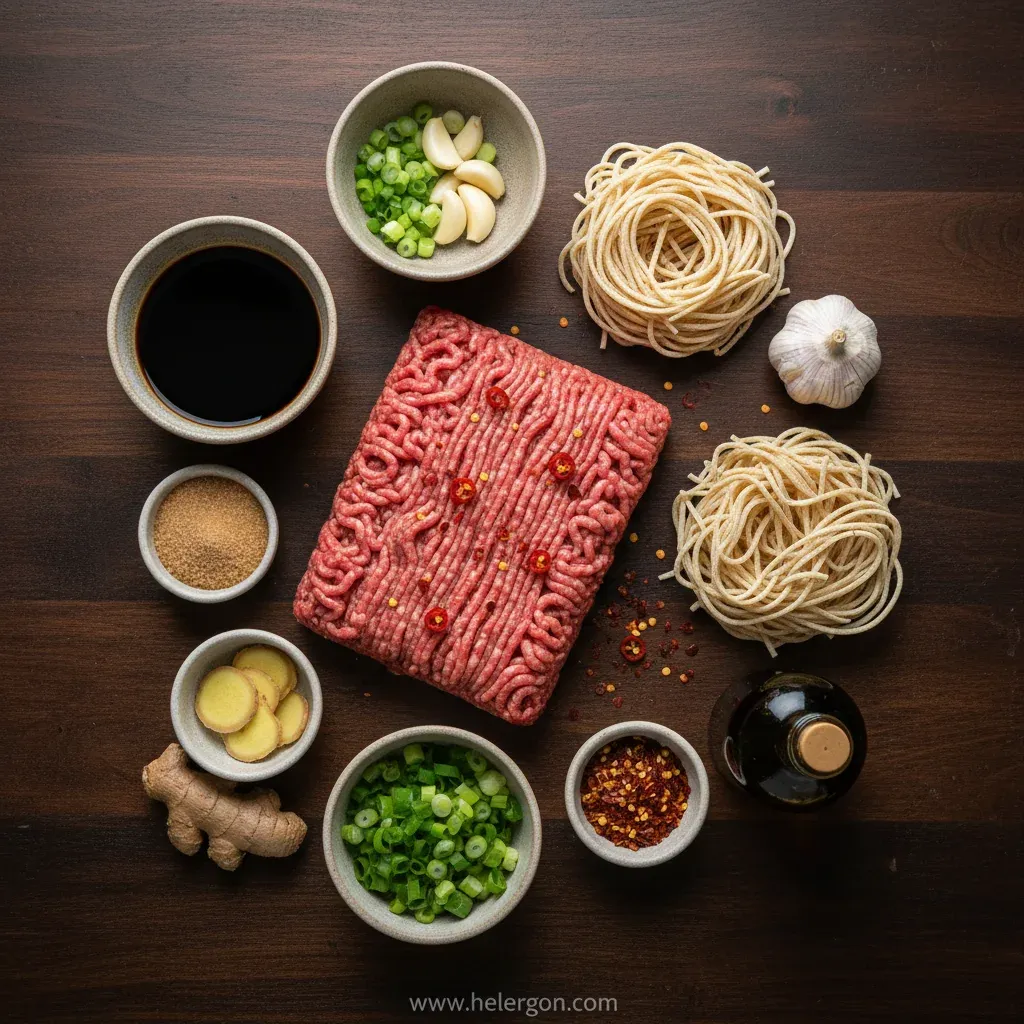
Bring a pot of salted water to a boil, add the noodles, and cook until al dente; drain, reserving ½ cup of cooking water.
- 2
While the noodles cook, heat oil in a large skillet over medium‑high heat. Add the ground beef, season with a pinch of salt, and crumble; cook until browned, about 4‑5 minutes.
- 3
Stir in garlic and ginger, letting their scent fill the kitchen – oops, watch for any burn, sauté for 30 seconds.
- 4
Mix soy sauce, brown sugar, and sesame oil in a small bowl; pour over the beef, scraping up any browned bits.
- 5
Add the cooked noodles to the skillet, tossing to coat. If the glaze feels thick, drizzle in reserved noodle water a tablespoon at a time.
- 6
Finish with sliced green onions and optional veggies; give everything a final toss, then serve hot.
Nutrition per serving
- 420 kcal
- Calories
- 28 g
- Protein
- 38 g
- Carbs
- 18 g
- Fat
Tips & notes
- For extra gloss, add a thin splash of water after tossing the noodles. - If you prefer less sweetness, reduce the brown sugar by half. - A quick garnish of crushed peanuts adds a pleasant crunch.
Frequently asked questions
Can I use turkey ground instead of beef?
Yes, turkey ground works well; just be careful not to over‑cook it, as it’s leaner.
What type of noodles are best?
Egg noodles or thick wheat noodles hold the glaze best, but any pasta you have on hand will do.
How can I make it spicier?
Add a pinch of red pepper flakes or a dash of sriracha when you stir in the glaze.
Can I prepare the sauce ahead of time?
Absolutely. Store the soy‑ginger glaze in a sealed jar in the fridge for up to three days.
Is this dish freezer‑friendly?
The cooked noodles can become mushy when frozen; it’s best enjoyed fresh, but you can freeze the beef and sauce separately.
What vegetables pair well with this recipe?
Thinly sliced carrots, snap peas, or baby bok choy add color and crunch without altering the core flavor.