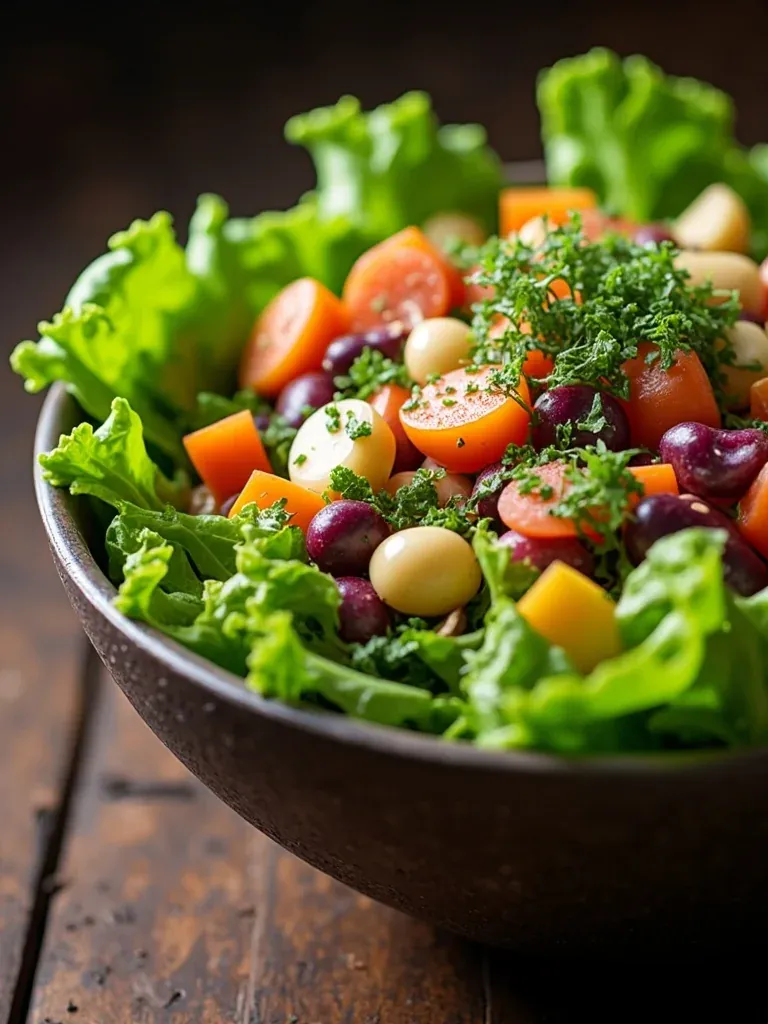
Harvest Salad with Lemon Thyme Dressing
A fresh mix of autumn vegetables and a silky lemon thyme vinaigrette.
- Lucas Moreno
- Seasonal Recipes
- March 19, 2026
- 2 min read
- Updated November 20, 2026
- Total time
- 45 min
- Servings
- 4 Servings
- Difficulty:
- Easy
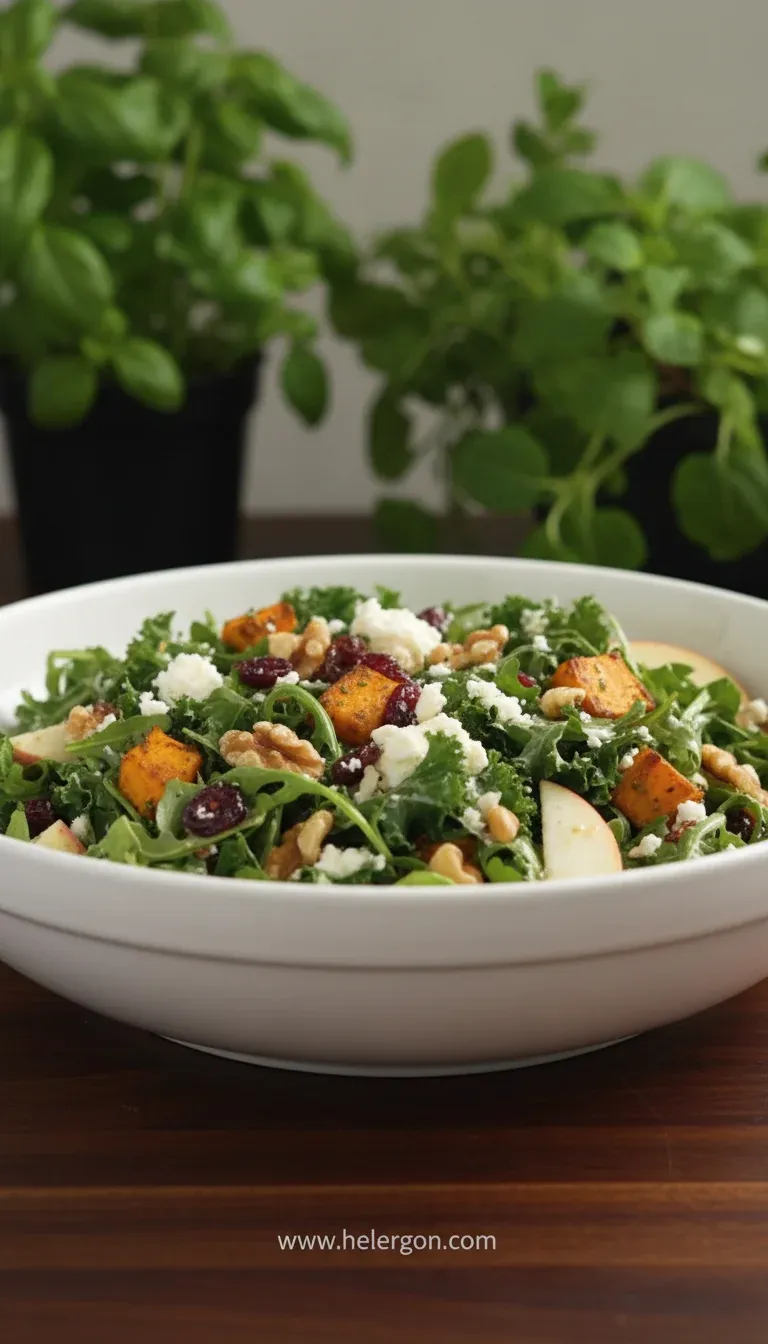
Table of contents
When the garden slows down, the pantry fills up with earthy carrots, crisp apples, and golden beets. This harvest salad brings those gifts together, draped in a lemon thyme dressing that whispers of sunshine on cool evenings.
The essence of the dish
It’s all about contrast—sweet, earthy, and tart mingling with herbaceous brightness.
A fun fact or historical angle
Thyme was once used as a preservative in medieval kitchens, extending the life of fresh harvests.
Flavor or sensory focus
You’ll notice the citrus zing first, then the lingering scent of thyme, followed by the earthiness of roasted beets.
You Must Know
- Dress the salad just before serving
- Season the dressing with salt after tasting
- Use a mix of textures for interest
When the salad comes together, it feels like a quiet moment in the kitchen, the kind where you pause to listen to the rustle of leaves. The simple act of tossing can become a meditation, and the final bite rewards you with comfort and freshness. It’s a dish that welcomes improvisation, so feel free to add a handful of pomegranate seeds or a sprinkle of feta if you wish.
The story behind it
From ancient hearths where foragers gathered wild greens, the practice of pairing seasonal produce with herbal dressings has traveled through centuries. Leafy greens, root vegetables, and citrus have long been celebrated for their complementary flavors, and today this salad honors that timeless tradition with a modern, bright twist.
Why You'll Love It
- The dressing balances bright lemon with earthy thyme
- Every bite offers a different texture
- Uses ingredients that are often on hand in fall
- Easy to scale for a crowd or a solo plate
Tips for success
- Don’t over‑roast the beets, they should stay firm for texture.
- Pat the greens dry; excess water dilutes the dressing.
- Taste the dressing before adding, adjusting salt or acidity as needed.
Professional secrets
- Use a cold bowl for the greens to keep them crisp.
- Warm the roasted beets slightly before adding to prevent chilling the salad.
- Add the dressing in a thin stream while tossing to ensure even coverage.
Common mistakes to avoid
- Over‑roasting beets, which makes them mushy.
- Using wet greens, causing the dressing to slide off.
- Adding apples too early, leading to browning.
Substitutions
- Walnuts: Almonds or pumpkin seeds. Keep the crunch; toast lightly for extra flavor.
- Maple syrup: Honey or agave nectar. Adjust sweetness level to taste.
Variations
- Spicy Version: Add a pinch of red pepper flakes to the dressing for a gentle heat.
- Mediterranean Style: Swap walnuts for toasted pine nuts and stir in crumbled feta and sliced olives.
Storage
Store leftover dressing in a sealed jar in the refrigerator for up to three days; keep the salad components separate.
Make ahead
You can roast the beets a day ahead and store them in the fridge; also prepare the dressing and keep it sealed until ready to toss.
Leftovers
Re‑toss the salad with a splash of olive oil if it seems dry; the flavors deepen after a night in the fridge.
Serving ideas
- Plate on a wide, shallow bowl to showcase colors.
- Garnish with an extra sprig of thyme and a drizzle of leftover dressing.
- Serve alongside a warm slice of rustic bread.
Allergy information
Contains nuts (walnuts) and may contain traces of sesame from the oil.
Harvest Salad with Lemon Thyme Dressing
A fresh mix of autumn vegetables and a silky lemon thyme vinaigrette.
- Prep time
- 20 min
- Cook time
- 25 min
- Total time
- 45 min
- Difficulty
- Easy
- Cuisine
- American
Ingredients
Salad Base
Lemon Thyme Dressing
Instructions
- 1
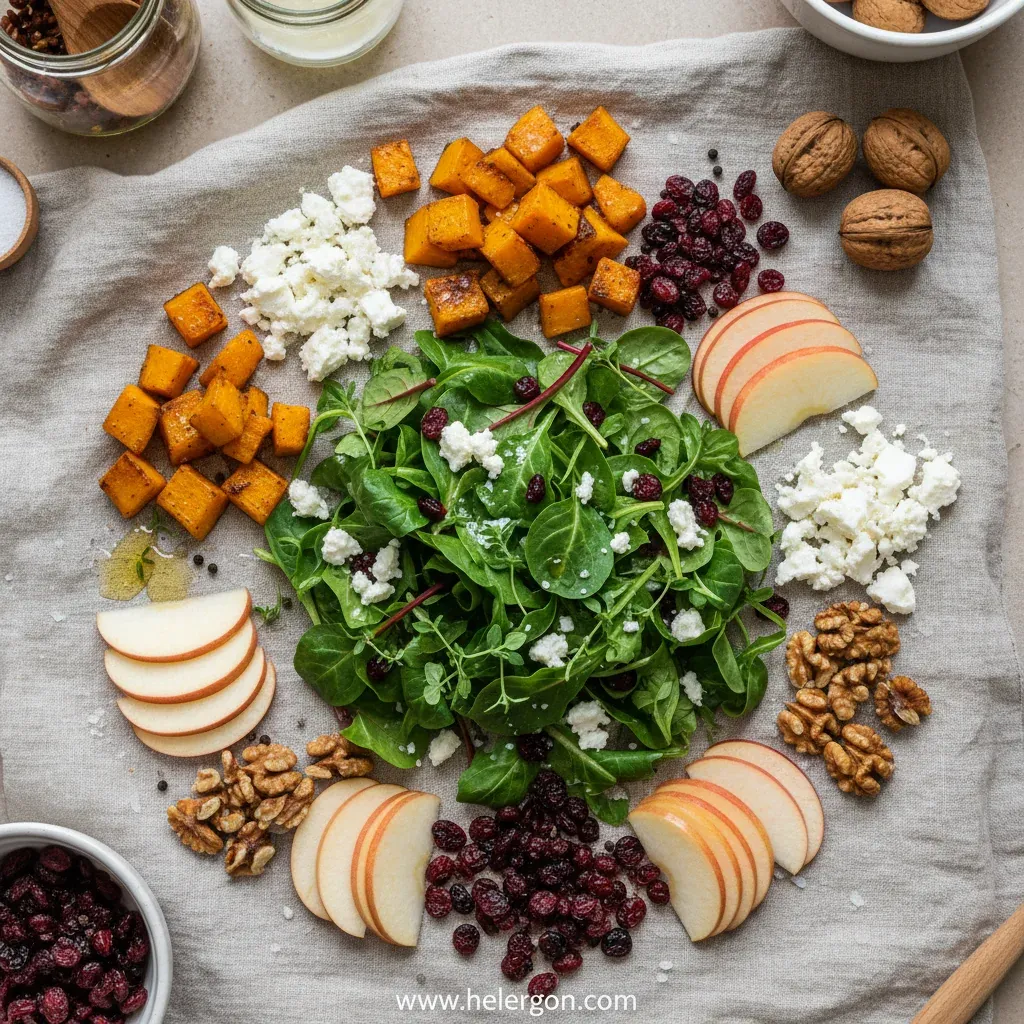
Preheat the oven to 400°F (200°C). Toss the beet cubes with a drizzle of olive oil, salt, and pepper, then roast for 20‑25 minutes until tender.
- 2
While the beets roast, whisk together lemon juice, olive oil, thyme, apple cider vinegar, maple syrup, salt, and pepper in a small bowl; set aside.
- 3
Prepare the carrots into thin matchsticks and set aside; slice the apple and splash a bit of lemon juice over it to keep its color.
- 4
In a large bowl combine mixed greens, roasted beets, carrot matchsticks, apple slices, and toasted walnuts.
- 5
Drizzle the lemon thyme dressing over the salad, toss gently until everything is lightly coated.
- 6
Serve immediately, enjoying the warm notes of roasted beets with the bright citrus herb vinaigrette.
Nutrition per serving
- 210 kcal
- Calories
- 4 g
- Protein
- 18 g
- Carbs
- 14 g
- Fat
Tips & notes
- If you prefer a sweeter dressing, add an extra half teaspoon of maple syrup. - For extra crunch, sprinkle some pomegranate seeds just before serving. - The salad can be assembled ahead of time; keep dressing separate until ready to eat.
Frequently asked questions
Can I use other greens?
Absolutely—arugula, spinach, or even kale works well, just massage the kale to soften it.
How long can I store the dressing?
The lemon thyme dressing keeps in the fridge for up to three days; give it a quick shake before using.
What if I don’t have fresh thyme?
Use dried thyme, but reduce the amount by half and add a splash of extra lemon juice for freshness.
Can I add protein?
Grilled chicken, roasted chickpeas, or toasted walnuts add heartiness without overpowering the flavors.
Is this salad vegan?
Yes, just ensure you use maple syrup or agave instead of honey.
What’s a good side for this salad?
Serve it alongside a warm quinoa pilaf or a crusty loaf of sourdough.