Greek Salad Recipe – Fresh & Easy
A bright, crunchy salad featuring ripe tomatoes, cool cucumbers, tangy feta, and briny olives, tossed in a simple olive‑oil dressing.
- Maya Calder
- Easy Weeknight Dinners
- April 29, 2026
- 3 min read
- Updated November 20, 2026
- Total time
- 10 min
- Servings
- 4 Servings
- Difficulty:
- Easy
Table of contents
Honestly, whenever I need a light yet satisfying dish, I reach for this Greek Salad. It’s the kind of recipe that feels effortless, like the Greek pasta salad I love on lazy afternoons, but without the carbs. The colors are vivid, the aromas of oregano and lemon greet you, and the texture is a perfect mix of crisp and creamy.
The essence of the dish
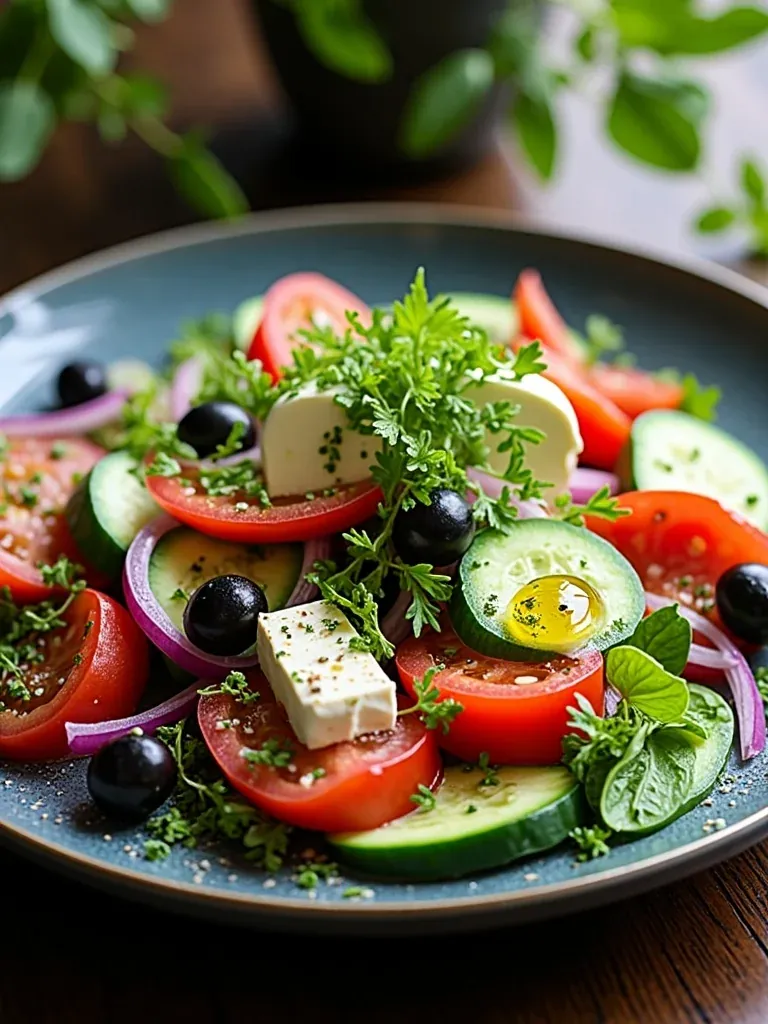
What makes this Greek Salad special is its reliance on fresh, high‑quality ingredients. The bright acidity of lemon balances the salty feta, while the olives add a briny depth that feels Mediterranean.
A fun fact or historical angle
In the 19th century, the salad was known as “Horiatiki,” meaning “village salad,” because it was made from whatever produce was on hand in the countryside.
Flavor or sensory focus
The first bite delivers a crisp snap of cucumber, followed by the sweet burst of tomato, and finishes with a creamy, salty crumble of feta.
You Must Know
- Use ripe but firm tomatoes for balanced sweetness.
- Extra‑virgin olive oil enhances aroma.
- Lemon juice should be freshly squeezed.
When you combine these elements thoughtfully, the salad feels both bright and grounding. It’s a reminder that simple ingredients, treated with care, can create a dish that feels both wholesome and elegant. Take your time, enjoy the colors, and let the flavors settle before you serve.
The story behind it
The origins of the Greek salad trace back to the sun‑drenched villages of the Aegean, where fresh produce was abundant and meals were simple. Historically, farmers would combine locally grown tomatoes, cucumbers, and olives with cheese from their own herds, dressing it with olive oil and vinegar. This humble assembly became a symbol of hospitality and health. In modern kitchens, the salad still carries that legacy, offering a taste of the Mediterranean without any travel. For a complementary treat, consider the Greek yogurt chia pudding that balances the tang of the salad.
Why You'll Love It
- Fresh, garden‑grown flavors that brighten any meal
- Minimal prep time, perfect for busy evenings
- Nutrient‑dense ingredients that keep you satisfied
- Versatile enough to pair with grilled fish or serve alone
Tips for success
- Pat cucumber slices dry to avoid excess moisture.
- Taste the dressing and adjust salt or lemon as needed.
- Serve at room temperature, not straight from the fridge.
Professional secrets
- Add a pinch of sugar to the dressing if tomatoes are very acidic.
- Let the salad rest for 5 minutes after tossing to let flavors meld.
- Use chilled plates for an extra refreshing bite.
Common mistakes to avoid
- Over‑dressing the salad, leading to soggy vegetables.
- Using under‑ripe tomatoes that lack sweetness.
- Adding cheese too early, causing it to break down.
Substitutions
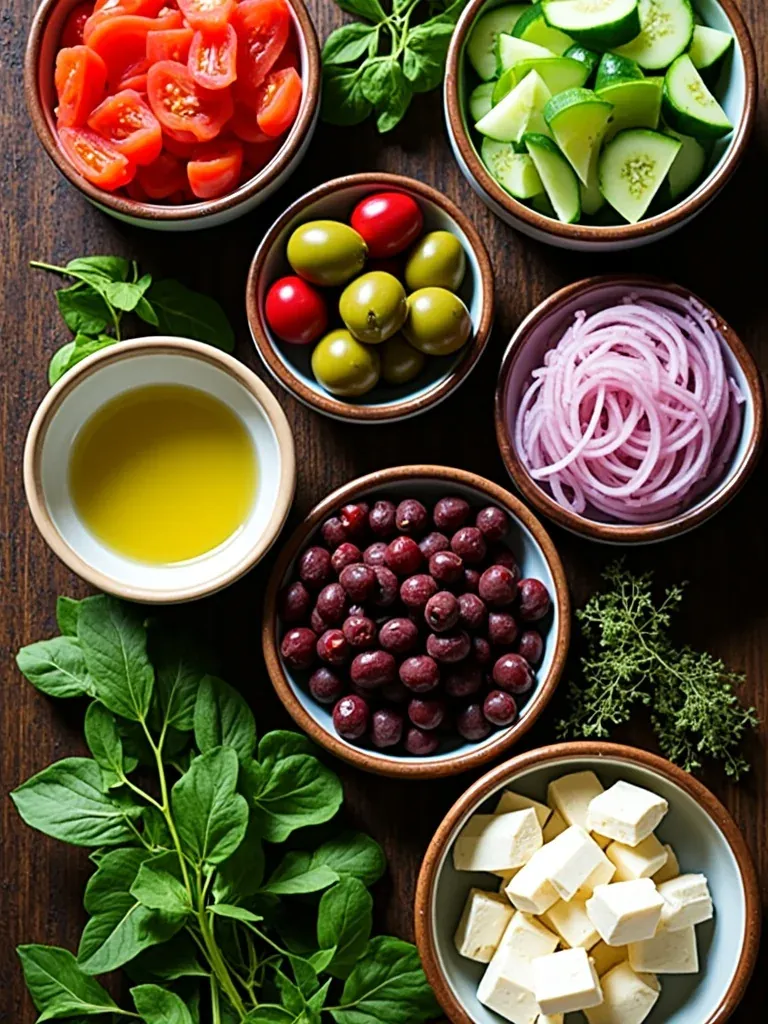
- Feta cheese: Goat cheese or ricotta salata. These cheeses keep the salty tang while offering a slightly different texture.
- Olive oil: Avocado oil. Avocado oil provides a neutral flavor but lacks the distinct Mediterranean aroma.
Variations
- Spicy Version: Add a pinch of crushed red pepper flakes to the dressing for a gentle heat.
- Mediterranean Style: Mix in sun‑dried tomatoes, feta, and a handful of fresh basil for a richer profile.
Storage
Store the dressed salad in an airtight container in the refrigerator for up to 24 hours; keep the feta separate if storing longer.
Make ahead
You can prep the vegetables and store them separately for up to 12 hours; the dressing can be made a day ahead and kept in the refrigerator.
Leftovers
Reheat gently in a skillet with a splash of olive oil if you prefer a warm salad, but it’s also delightful cold.
Serving ideas
- Serve as a refreshing side with grilled lamb kebabs.
- Pile onto a bed of quinoa for a hearty lunch.
- Garnish with extra oregano and a lemon wedge.
Allergy information
Contains dairy (feta) and olives.
Greek Salad Recipe – Fresh & Easy
A bright, crunchy salad featuring ripe tomatoes, cool cucumbers, tangy feta, and briny olives, tossed in a simple olive‑oil dressing.
- Prep time
- 10 min
- Total time
- 10 min
- Difficulty
- Easy
- Cuisine
- Greek
Ingredients
Main Ingredients
Instructions
- 1
Wash all vegetables, then pat dry. Slice the tomatoes, cucumber, and red onion as described.
- 2
In a large bowl, combine the olive oil, lemon juice, oregano, salt, and pepper; whisk gently.
- 3
Add the sliced tomatoes, cucumber, and onion to the bowl and toss lightly, allowing the dressing to coat each piece.
- 4
Scatter the olives and crumbled feta over the salad, give a final gentle toss, and serve immediately.
Nutrition per serving
- 210 kcal
- Calories
- 5 g
- Protein
- 8 g
- Carbs
- 16 g
- Fat
Tips & notes
- If the salad sits too long, the cucumbers may release water; add a squeeze of fresh lemon just before serving. - Use a high‑quality olive oil for the best flavor. - For a heartier version, add grilled chicken or chickpeas.
Frequently asked questions
Can I make this salad ahead of time?
Yes, you can prep the vegetables and store them separately from the dressing for up to 4 hours. Toss together just before serving.
What if I don’t have feta?
You can substitute with goat cheese or a firm white cheese like ricotta salata.
Is this salad gluten‑free?
Absolutely, all ingredients are naturally gluten‑free.
How long does the salad stay fresh?
Stored in an airtight container, it stays crisp for about 24 hours, though the texture will change as the dressing softens the vegetables.
Can I add protein?
Grilled chicken, shrimp, or chickpeas make great additions for a more filling meal.
What variations exist?
Try adding capers, roasted red peppers, or a handful of fresh herbs like mint for a twist.