Coconut Orange Glow – Creamy Citrus Delight
Creamy citrus treat with coconut, ideal for warm afternoons.
- Lucas Moreno
- Sweet Bakes & Desserts
- March 2, 2026
- 2 min read
- Updated November 20, 2026
- Total time
- 45 min
- Servings
- 6 Servings
- Difficulty:
- Medium
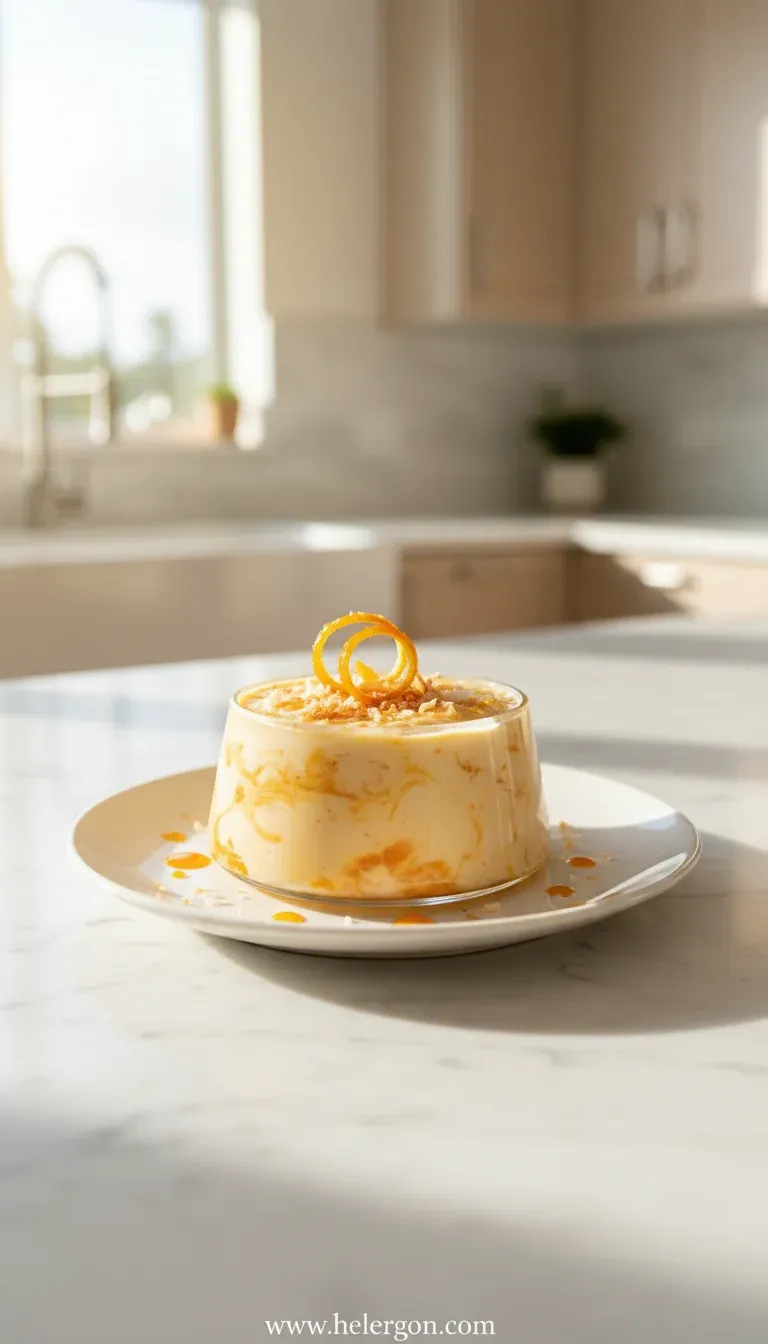
Table of contents
Honestly, when I first whisked together coconut milk and orange juice, I felt a gentle glow of happiness. This Coconut Orange Glow is simple, yet it carries the soft warmth of summer evenings, the scent of citrus wafting through the kitchen, and the subtle hush of a breeze through palm leaves.
The essence of the dish
A silky custard that balances sweet coconut cream with bright orange citrus, creating a luminous sauce that glistens like sunrise on water.
A fun fact or historical angle
Coconut milk was traditionally used in Southeast Asian desserts to cool the body in tropical heat, while orange, introduced from Europe, added a fragrant twist.
Flavor or sensory focus
First bite delivers a cool, buttery mouthfeel, followed by a burst of citrus that tingles the palate, leaving a lingering, fragrant after‑glow.
You Must Know
- Do not over‑whisk the egg whites
- Serve chilled for best texture
- Garnish with toasted coconut for crunch
When the dessert is ready, I love to pause, look at the soft dome, and remember quiet summer evenings on the porch. The simple act of sprinkling toasted coconut adds a subtle crunch that contrasts the smooth custard, making each spoonful a tiny celebration.
The story behind it
The origins of coconut‑orange desserts trace back to tropical regions where citrus fruit was blended with coconut milk to create refreshing treats for hot climates. Historically, travelers brought these flavor pairings across seas, introducing them to European patisseries where they evolved into creamy custards and light cakes. The marriage of coconut and orange continues to inspire chefs today, offering a bright, comforting finish to any meal.
Why You'll Love It
- Light, airy texture that melts on the tongue
- Bright citrus aroma that lifts the spirit
- Simple pantry ingredients, no fancy equipment
- Naturally dairy‑free, friendly to many diets
Tips for success
- Do not over‑whisk the egg whites; keep them light.
- Allow the custard to cool slightly before baking to prevent cracks.
- Taste the mixture before folding to adjust sweetness if needed.
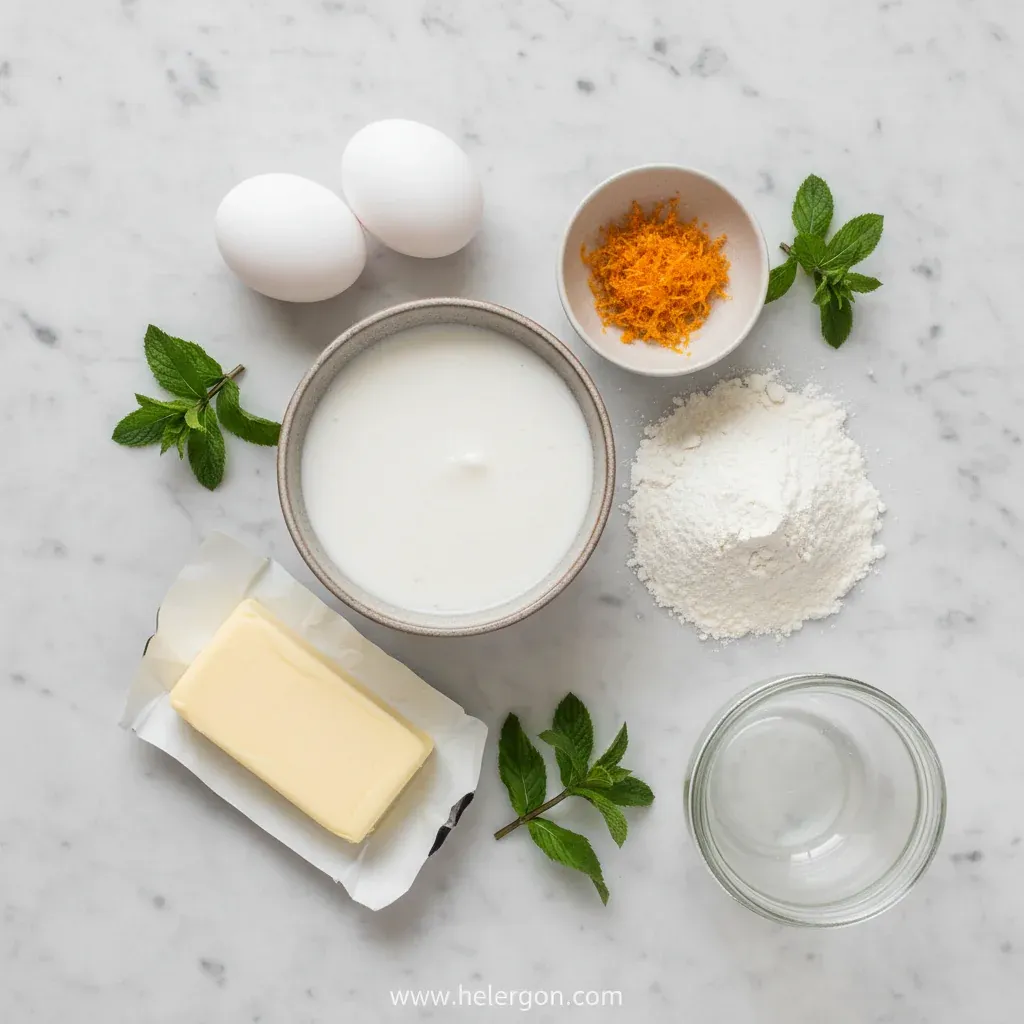
Professional secrets
- Use room‑temperature coconut milk for even integration.
- Gentle water bath ensures a smooth surface.
- Fold ingredients with a rubber spatula to preserve air.
Common mistakes to avoid
- Over‑whisking egg whites, causing loss of air.
- Baking at too high a temperature, resulting in cracks.
- Skipping the water bath, which leads to uneven texture.
Substitutions
- Honey: Maple syrup. Use a slightly smaller amount as maple syrup is thinner.
- Egg whites: Aquafaba. Three tablespoons of aquafaba replace one egg white; whisk until frothy.
Variations
- Spicy Version: Add a pinch of cayenne pepper to the coconut‑orange mixture for a subtle heat.
- Mediterranean Style: Stir in a tablespoon of chopped pistachios and a drizzle of orange‑honey glaze before serving.
Storage
Store in a sealed container in the refrigerator for up to three days.
Make ahead
You can whisk the egg whites and prepare the coconut‑orange base a day ahead; keep them separate and combine just before baking.
Leftovers
Reheat gently in a saucepan over low heat, stirring constantly, or enjoy cold straight from the fridge.
Serving ideas
- Serve chilled in individual ramekins.
- Garnish with toasted coconut and a curl of orange zest.
- Pair with a light citrus tea for a refreshing finish.
- Add a side of fresh berries for contrast.
Allergy information
Contains coconut, eggs, and honey.
Coconut Orange Glow – Creamy Citrus Delight
Creamy citrus treat with coconut, ideal for warm afternoons.
- Prep time
- 20 min
- Cook time
- 25 min
- Total time
- 45 min
- Difficulty
- Medium
- Cuisine
- American
- Course
- Dessert
Ingredients
Main Ingredients
Instructions
- 1
Preheat the oven to 325°F (160°C). Place a shallow baking pan on the middle rack and fill with hot water to create a bain‑marie.
- 2
In a saucepan, gently warm coconut milk, orange juice, honey, and vanilla over low heat, stirring until honey dissolves; remove from heat and let cool slightly.
- 3
In a clean bowl, whisk egg whites with a pinch of salt until soft peaks form. Gently fold the warm coconut‑orange mixture into the egg whites, adding lemon zest and toasted coconut.
- 4
Pour the batter into six ramekins, sprinkle a few extra coconut flakes on top, and bake in the water bath for 20‑25 minutes, until the edges are set but the center still trembles.
- 5
Remove ramekins, let cool on a rack for 10 minutes, then refrigerate for at least 1 hour before serving.
Nutrition per serving
- 210 kcal
- Calories
- 4 g
- Protein
- 18 g
- Carbs
- 14 g
- Fat
Tips & notes
- If the custard firms too quickly, reduce oven temperature by 10°F. - For extra aroma, add a thin slice of fresh ginger to the coconut‑orange mixture while warming. - Serve with a side of fresh berries for a colorful contrast.
Frequently asked questions
Can I use light coconut milk?
Yes, but the custard will be less rich and may not set as firmly; you might need an extra egg white.
Is this dessert gluten‑free?
Absolutely, there is no wheat or gluten in the ingredient list.
How long can leftovers be stored?
Keep refrigerated in an airtight container for up to three days; re‑chill before serving.
Can I make a vegan version?
Replace egg whites with aquafaba (chickpea water) and use maple syrup instead of honey.
What garnish works best?
Toasted coconut flakes, a light dusting of orange zest, or a drizzle of extra honey.
Do I need a water bath?
It helps maintain gentle heat and prevents cracks; a simple baking dish with hot water works well.